
About 3.5 years ago, P and J made a decision that most people in their circle thought was a bit odd. They walked away from stable, good-paying corporate jobs in Australia, moved to the Philippines, and built a business from scratch — all to cut their cost of living dramatically and use that gap to accelerate their path to financial independence.
That’s us, by the way. We’re P and J, and if you’re new here, this blog is about our FI journey — figuring it out as we go and sharing what we actually learn along the way, the good and the bad.
We landed in Clark, Pampanga — a small economic zone next to Angeles City, about two hours north of Manila. Clean, organised, and quite safe by Philippine standards. No beach, and the crowd is a mix of golfers, casino regulars, and a surprisingly large Korean expat community with more Korean restaurants than you’d ever expect to find in the Philippines. For everyone else it’s pretty quiet, which honestly suited us fine when we were heads down building the business.
If you’re thinking about setting up a business in the Philippines, this post should give you a realistic picture of what it’s actually like — the business side, the people, the lifestyle, and what it meant for our FI progress.
Why Clark?
The Philippines has genuinely high English proficiency across the country, which is a big part of why it became such a dominant outsourcing hub in Southeast Asia. Manila and Cebu are the biggest and best-known cities for that kind of work, so you’re probably wondering why we ended up in Clark of all places.
Honestly, two things. We had friends already living and building a business there, and when you’re moving to a country you’re still figuring out, having someone you actually trust on the ground is everything. We’d also been to other parts of the Philippines before and, look, it didn’t go great. Dodgy food, some questionable characters — we were probably just naive and didn’t know what to watch out for at the time. Clark had a reputation for being a different kind of place, and our friends backed that up. It felt manageable, stable, and had enough going on business-wise to actually build something. What we didn’t expect was just how much we’d learn — about business, about people, and honestly about ourselves — once we were actually living there.
The Outsourcing Reality Nobody Talks About
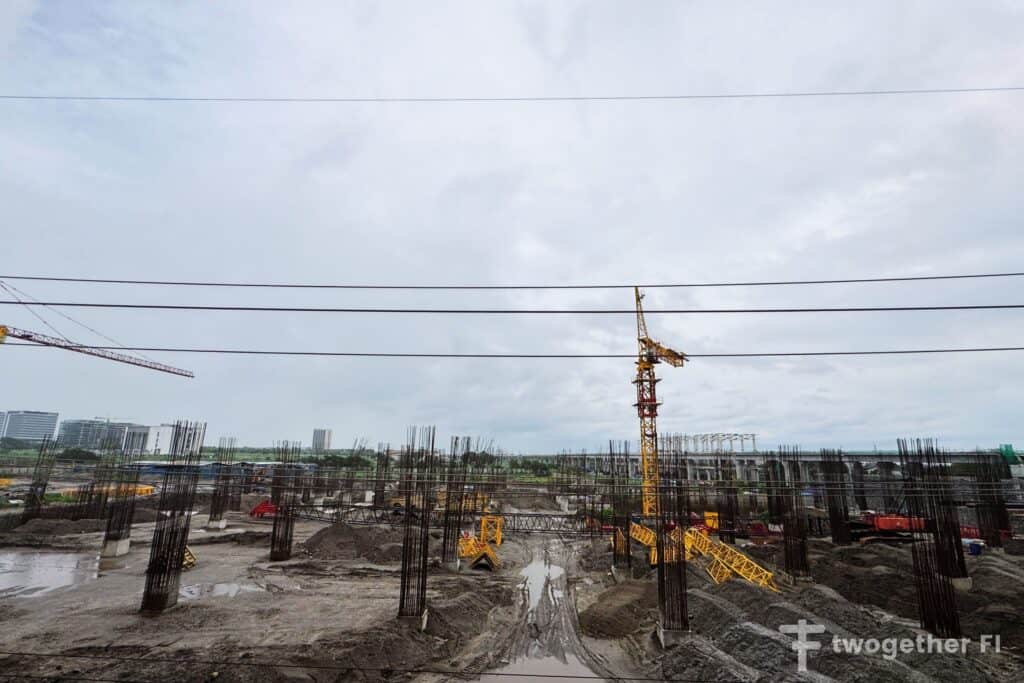
And Clark, it turns out, is absolutely packed with outsourcing companies. Business Process Outsourcing is one of the Philippines’ biggest industries — the country consistently ranks as one of the top outsourcing destinations in the world, and when you’re on the ground there you can see exactly why. English proficiency is high, the workforce is young and hungry to work, and the labour costs compared to Australia are honestly kind of shocking at first. A BPO worker in Clark typically earns somewhere between ₱15,000–₱30,000 a month, which works out to roughly AUD $400–$800. For the roles we were hiring for, that’s a fraction of what we’d have paid back home.
That gap is exactly what drew us there in the first place, and look — it’s real, it works, and we’re not going to pretend otherwise. But what we didn’t expect was what came next.
What We Chose to Do Differently
When you hire people at salaries that feel shockingly low compared to what you’re used to, you have a choice. You can extract maximum value from that gap and move on, or you can think a bit harder about what you’re building and who you’re building it with. We chose the second option — not out of guilt, but because it made sense to us as people and as business owners.
Filipino workers, in our experience, are genuinely warm, loyal, and hardworking. But the working culture — especially in the BPO world — can default to long hours, high turnover, and not a lot of investment in the actual human doing the work. Coming from Australia, where we’d experienced a workplace culture that actually values work-life balance and professional development when it’s done well, we wanted to bring some of that with us. So instead of saying “work harder, work longer,” we invested in our team. We taught them how we think about work, talked about efficiency over hours, created a workspace that felt respectful rather than transactional, and tried to show — not just tell — what a sustainable working environment looks like.
Did it take longer to get things running smoothly? Yes. Did we misread cultural cues more times than we’d like to admit? Absolutely. But we’re genuinely happy about the people we worked with and the relationships we built. That part we wouldn’t trade.
The Harder Parts
Let’s be honest about the challenges, because anyone considering geo arbitrage in the Philippines deserves a clear picture.
Safety and crime first. Clark is safer than many parts of the Philippines, but you still need to stay switched on. Petty crime, scams, and occasional more serious incidents are part of the reality in some areas. Food quality and clean water were trickier than we expected too. The Philippines has incredible food, but food safety standards aren’t always consistent outside well-established places. We didn’t drink tap water (even filtered) the entire time we were there. These things sound small but they add up to real lifestyle friction, especially when you care about your health and training.
Speaking of training — we’re both active people, and building a routine that actually worked took time. The heat and humidity are no joke. We figured it out eventually, but it required genuinely understanding the environment before we could work with it rather than against it. The cultural side was probably the most nuanced challenge. Filipino culture is warm and relationship-focused, which is wonderful, but there are communication dynamics around hierarchy, around saying no, around how feedback lands, that are genuinely different from what we were used to in Australia. Managing people effectively meant understanding their behaviours first, not just their skills.
The FI Milestone We Hit There
Here’s the part that made all the friction worth it. During our time in Clark, we hit our first major FI milestone. We reached what we consider our lean FI point — the number where, if we stripped things back, our investments could theoretically sustain us at a basic level. It wasn’t the full, comfortable FI we’re still working toward, but it was the first real proof of concept that told us this is working, keep going.
Geo arbitrage was a meaningful part of that. Running a business with a lower cost base in the Philippines while investing the difference back into our portfolio accelerated our timeline in a way that would have been very hard to replicate staying in Australia. Every year we were there, our goals shifted a little. What we wanted from life became clearer. What we were willing to tolerate became narrower. And our vision of what “enough” actually looks like got sharper.
Why We Left and What Comes Next
The Philippines wasn’t home for us long-term. Not because it’s a bad place — it genuinely isn’t — but because the lifestyle we want going forward didn’t match what Clark could offer us at this stage of life. We’re entering our 40s to 50s now, and we’re increasingly clear about what we want our days to look like: more flexibility, more freedom, more time doing things we love rather than time spent managing a business. The Philippines chapter gave us a lot, but it also clarified — through living it — what “enough work” actually means to us.
Thanks to the team we built there, both of us is now working only part-time. That’s the real payoff of investing in good people and building systems rather than just trading your own hours. We’ve since moved on and we’re currently on an island in Korea, a new chapter we’re still figuring out and will write more about soon.

What FI Followers Can Take From This
If you’re considering geo arbitrage or outsourcing as part of your FI strategy, here’s what we’d want you to walk away with.
The cost-of-living gap is real and significant. The Philippines runs roughly 60–70% cheaper than Australia in everyday expenses, and that gap, invested consistently, compounds meaningfully over time. But outsourcing only frees up your time if you actually invest in building proper systems and treating your team well. Cheap labour that turns over constantly is actually expensive. Good people who understand your business and stay are an asset.
Geo arbitrage also isn’t just about earning in a strong currency and spending in a weak one. Living in a developing country for 3.5 years changed how we think about money, security, enough, and what actually matters. That mindset shift might honestly be the most valuable thing we came home with. And it’s not for everyone, and that’s okay. It requires flexibility, adaptability, and a genuine willingness to be uncomfortable. If it doesn’t suit your life, there are other ways to accelerate your FI journey.
The last thing, and probably the most important: revisit your goals every year. Our vision of FI at the start of the Philippines chapter looked different from our vision at the end. That’s not failure — that’s just what happens when you’re honest with yourself about what you’re actually learning.
We’ll keep sharing more as we settle into this next phase. If you have questions about outsourcing, geo arbitrage, or what life in the Philippines was actually like day to day, drop them in the comments.
P & J
